

WHAT NEXT AFTER FRACTURE? PHYSIOTHERAPIST’S ROLE IN FRACTURE MANAGEMENT.
What’s a fracture?
Common abbreviated as #, a fracture is simply a disruption in the continuity of a bone. #s (fractures) can result in hospital admission or just an outpatient visit depending on the type of fracture among other factors like age, underlying medical condition etc.

How’re fractures managed?
Depending on the type of fracture and other factors, they can be managed;
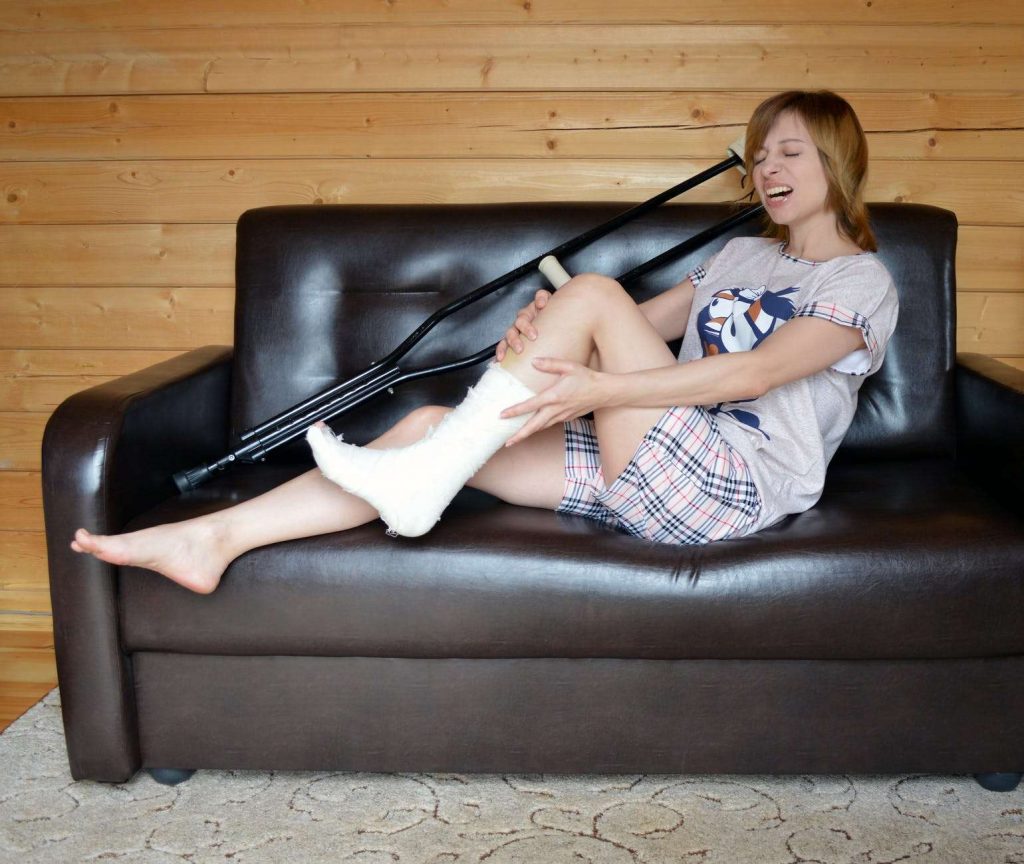
- Conservatively- This involves reducing the fracture manually and applying a cast or POP. It can also involve giving a sling for fractures like that of clavicle/collar bone.
In general, this type doesn’t require any operation, however in some instances; you may be put under for reduction to be done manually to reduce the pain.
It can also include traction. This is done for fractures involving the femur; the thigh bone.
- Operative/surgically- this involves fixing broken bone with plates, screws and wires. It’s commonly referred to as ORIF (open reduction and internal fixation). In comminuted fracture like of the tibia, external fixation is done.

How do fractures heal?
Immediately after fracture, there is hematoma formation, basically, bleeding occurs, followed by inflammation that can take up to one week. Callus formation starts from the second week, soft callus first then hard callus. A callus is what forms the bone. This may take up to 12 weeks. Remodelling of the callus occurs to shape the bone. This may take years.
What’s the role of physiotherapy then?
During the healing process, there could be;
- Swelling
- Pain
- Joint stiffness
- Loss of muscle bulk
- Loss of balance
- Reduce joint range of motion
- Muscle weakness just to mention a few.
The physiotherapist will work with you from day one till you fully recover. We will;

- Train you on how to use assistive devices like crutches, sling and walker among others. Low limb fractures may require being immobilized however you can move around without weight-bearing by the help of a physiotherapist.
- Reduce pain and swelling. By using modalities and other techniques, a physiotherapist will help reduce swelling and aid in recovery. They will encourage limb elevation and assist you in doing it if required.
- Muscle strength and bulk. We aim to maintain or improve strength. If you injured your left femur and you’re hospitalized, our job is to maintain the strength of the upper limbs and right lower limb to prepare you for movement once you’re cleared to walk on crutches by your doctor. In this case, we also aim at maintaining or improving your lung and cardiac function as they tend to decline with inactivity.
- Increasing or maintain joint range of motion. For flexibility, if possible, we will move the joint above and below the fracture site to prevent stiffness. This will be followed by exercises and use of modalities in the outpatient physiotherapy clinic after discharge from the ward
- Balance training and return to activity. Using different techniques, you will be taught of balance and return to activity. The exercise can be specific with your daily routine e.g. they can be geared directly to a sport if you’re a sporty person.

Generally, physiotherapy is core in recovery following a fracture, ask your doctor about physiotherapy in case of fracture or contact us for more.


Very insightful article..
Thank you