
HYPERTENSION (HIGH BLOOD PRESSURE).
To understand hypertension let’s look at what blood pressure is.
It’s described as the multiplication of cardiac output and total peripheral resistance. I know it’s confusing, let’s break it down;
Cardiac output is amount of blood pumped by your heart in a minute, which means it’s affected by heart rate and amount pumped out at single contraction/stroke volume. This is important since any rise above normal limits in any of the above will result to hypertension.
On the other hand total peripheral resistance is affected by blood viscosity, arterial wall elasticity among others. The rise in the above produces similar effects.
Let’s define hypertension;
Hypertension (HTN) can be described as resisting systolic blood pressure (SBP) of more than or equal to 140mmHg and/or diastolic blood pressure (DBP) of more than or equal to 90mmHg
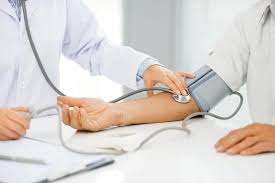 You blood pressure will be taken at the hospital by the nurse or any physician. It’s important to ask about your blood pressure when you make your next visit.
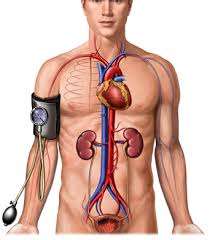
HTN is associated with other medical conditions including ischemic heart disease, stroke, renal failure, retinopathy among others. This makes checking your blood pressure an essential activity in your life.
Most of the times when one is diagnosed with hypertension, the involvement of other organs have already occurred like kidney damage. This makes hypertension a silent killer.
Risk factors for hypertension. The presence of these factors predisposes you to hypertension, however they can be present in absence of hypertension and vice versa.
- Stress
- Being male; male below 55 years are more affected while females above 55 are more affected.
- Obesity; BMI or more than 25 predispose one to the risk of hypertension.
- Excess sodium diet; this leads to water retention, increase blood volume
- Excessive Alcohol consumption
- Family history of hypertension.
The above factors can be classified into 2; modifiable (those that we can change like stress, excess sodium intake, alcohol consumption among others) and non-modifiable (those we can NOT change like gender, age, family history among others) risk factors.
Classification of hypertension.
There are several classification of hypertension, however we focus on two main ones; primary/essential hypertension (no known cause) and secondary hypertension (as a result of other factors like illnesses among others).
Prevention and treatment.
Our main focus is on exercise as a mode of prevention and treatment. Research shows exercise aids is 5-10mmHg drop in blood pressure. For the pre-hypertensive cases, this is enough for one to discontinue medication while under monitoring. It’s important to note if you’re diagnosed of hypertension you need medication.
Researchers agree on aerobic exercises as the main type of exercise in prevention and management of hypertension. It’s recommended that an individual does 150 minutes a week of moderate intensity exercise at least 5 days in a week. The suggested aerobic exercises included brisk walking, jogging, running, cycling and swimming. These recommendations are suggested for individuals with normal blood pressure as a measure for prevention.
Those already diagnosed with hypertension are required to seek guidance from the physician and physiotherapist before starting exercises. They should be monitored during exercises.
During exercise, maintain normal breathing, do not hold your breath.
It’s important to note that overweight/obesity is a risk factor for hypertension. Exercises and diet help to curb weight and in turn reduces the risk of hypertension.
 The main challenge is noncompliance to exercise from many clients. To help curb this, we suggest you engage yourself in group training or gym.
Reduce sodium intake and Moderation of alcohol intake are among other preventive measures.
NOTE: There are different available medication for hypertension from beta blockers, ACE, diuretics among others.

Informative…
Pretty! This has bee an incredibly wonderful article.
Thanks for supplying this information.